Same Outfit, Different Animal: How Wearing the Same Thing Every Day Is Actually a Radical Act
Let's talk about the most counterintuitive style move in the game right now: stopping.
Not stopping dressing, obviously. We're a fashion website. But stopping the endless, exhausting carousel of outfit reinvention that the algorithm has convinced you is mandatory. Stopping the morning closet panic. Stopping the guilt trip you give yourself for reaching for the same jeans again. What if — and stay with us here — repetition was actually the most powerful creative statement you could make?
Welcome to the personal uniform. It's weird. It's deliberate. It is, paradoxically, the most Tuba Pants thing you can do.
The Paradox Nobody Talks About
Here's the thing about choice: it's exhausting, and it's secretly eating your lunch. Psychologists have been yelling about decision fatigue since the 1990s, and yet we keep treating our morning wardrobe like a puzzle that needs solving from scratch every single day. You've got roughly 35,000 decisions to make today, and you're burning a measurable chunk of your mental horsepower figuring out whether the green shirt goes with the brown pants before you've even had coffee.
Now flip it. Imagine that decision is already made. Not because you gave up, but because you made one very good decision a long time ago and you're just executing on it. That's not surrender. That's strategy.
The people who've figured this out — your Obamas, your Jobses, your extremely put-together regulars at the local diner who always wear the same suspenders — aren't dressing on autopilot. They're freeing up bandwidth. And here's the twist: that freed-up bandwidth almost always gets redirected into taking bigger, weirder, more confident swings in the pieces they do choose.
What a Uniform Actually Is (Hint: It's Not a Costume)
A personal uniform isn't a costume, a capsule wardrobe Pinterest board, or a cry for help. It's a framework. It's the difference between a jazz musician who's internalized their scales so completely that they can improvise anything, and someone who's still counting on their fingers during the solo.
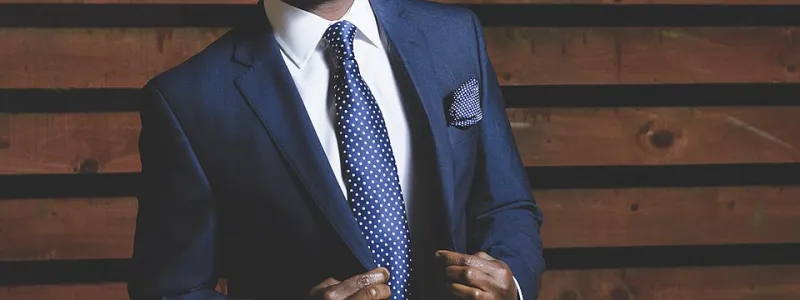
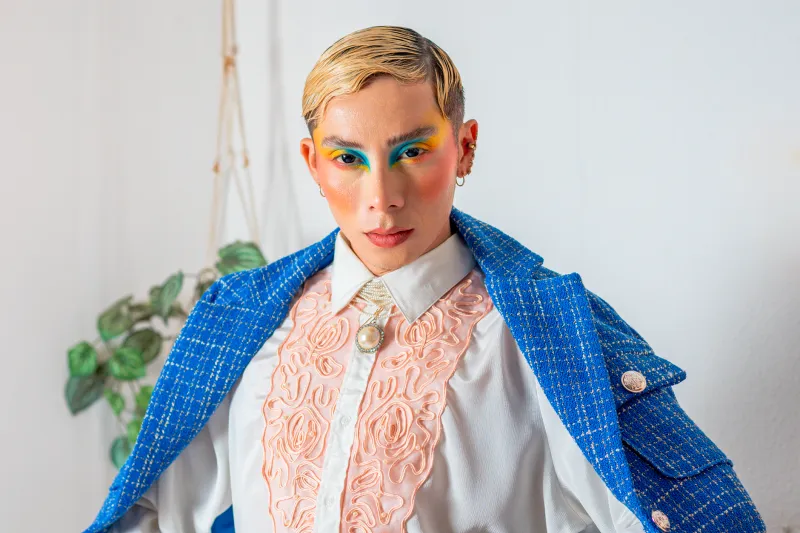
Your uniform might be: dark trousers, a white shirt, and then — and this is where it gets interesting — whatever the heck you want on top. A blazer that looks like a stained glass window. A scarf that weighs four pounds. A hat that makes people stop walking. The base stays constant; the statement piece does the heavy lifting.
Or maybe your uniform is a specific silhouette. Oversized top, slim bottom, repeat forever, but the oversized top rotates through textures and colors that would make a graphic designer nervous. Same shape, infinite chaos within it. That's not boring — that's architecture.
The People Who Got Here First
Let's be honest: the uniform isn't a new idea. It just keeps getting rediscovered by people who are tired of pretending variety is the same thing as creativity.
There's a particular breed of artist, chef, creative director, and generally chaotic-good human who has quietly adopted the uniform life and refuses to apologize for it. They'll show up to every event, every meeting, every surprise birthday party in a variation of the same outfit — and somehow, they're always the most memorable person in the room. Not despite the repetition. Because of it.
When you stop changing everything, people start noticing the things that don't change. They start reading you as a person with a point of view rather than someone who's just trying stuff. There's a certain magnetism to someone who wears the same silhouette every day but shows up one Tuesday in a jacket the color of a traffic cone and acts like it's completely normal. That's power. That's the move.
The Anxiety Math
Here's a number for you: the average American spends about 17 minutes getting dressed every morning. That's nearly two hours a week, over a hundred hours a year, just standing in front of a closet making faces at your own clothes.
Now imagine reclaiming even half of that. Not to be more productive (though fine, sure, if that's your thing). But to be more present. More awake when you walk out the door. Less frazzled before the day has even technically started.
Choice anxiety — the specific, low-grade dread of having too many options — is a documented phenomenon that makes people less happy with their final decision, not more. You'd think more options would mean more freedom, but what it actually means is more room to second-guess yourself. The uniform eliminates the second-guessing. You made the call. It's done. Now go be interesting.
How to Build Yours Without Going Full Beige
If you're ready to experiment with the uniform life, here's the honest truth: the first step is figuring out what you actually like, not what you think you're supposed to like.
Start by noticing what you reach for when you're not thinking about it. Not the stuff hanging in your closet with the tags still on. Not the aspirational blazer you bought for a job interview three years ago. The stuff you put on when you're tired and honest. That's your uniform base.
From there, the Tuba Pants approach is pretty simple: make the base boring on purpose, then go completely feral with one element. One color that has no business being that loud. One texture that makes people reach out and touch your sleeve without asking (rude, but a compliment). One piece that, when you wear it, people say "oh, that's very you" — because it is. Because you chose it deliberately, without the noise of a hundred other decisions clouding your judgment.
The uniform isn't about dressing less. It's about dressing more intentionally in fewer places, so that when you do make a statement, it lands like a foghorn instead of a suggestion.
The Rebellion Nobody Sees Coming
In a culture that rewards constant reinvention, showing up in the same thing twice is almost transgressive. People will wonder if you're doing okay. They'll ask if you're going through something. And you can smile and tell them yes — you're going through a radical simplification of your decision-making infrastructure in order to maximize creative output and personal authenticity.
Or you can just say you like these pants.
Either way, you're the one who walked in knowing exactly who you were before you even got dressed. And in a room full of people who spent an hour arguing with their closet, that kind of certainty reads as something very close to power.
Same outfit. Different animal. Every single time.