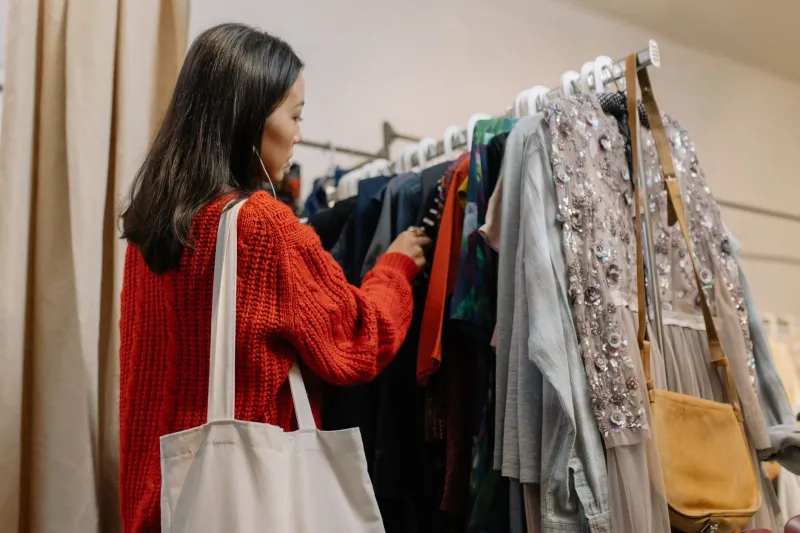
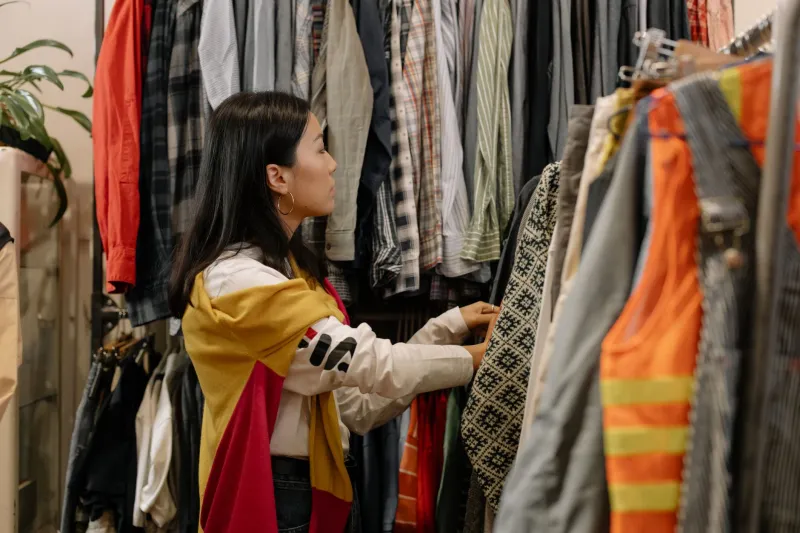
Cheap Threads, Rich Energy: How a $12 Thrift Haul Outclasses a $500 Mall Run
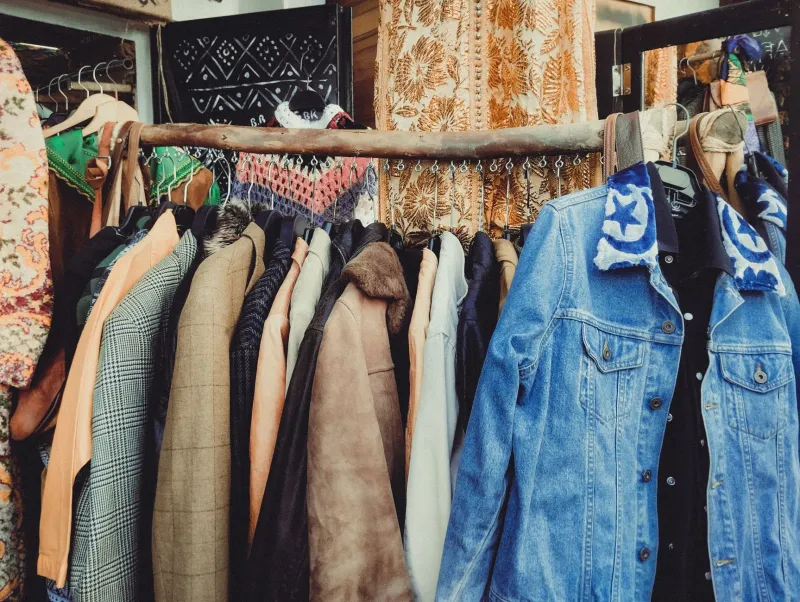
Let's set the scene. You walk into a room wearing a blazer you found sandwiched between a bedazzled denim vest and a windbreaker from 1994 at your local Goodwill. You paid $4.99 for it. The tag still had a little orange sticker on it when you got home. You steamed out the wrinkles, threw it over a $3 estate-sale silk blouse, and added a pair of clearance-bin trousers that technically came from a dead man's closet (rest in peace, mystery guy with impeccable taste). Total damage: eleven dollars and some change.
Someone at that party is going to ask where you got your look. And they are not going to believe the answer.
This is not an accident. This is a psychological phenomenon, a style superpower, and frankly, a minor miracle that thrifters have been quietly exploiting for decades while the rest of the world was busy paying $180 for jeans with strategic distressing.
Why Cheap Forces You to Be Smarter
Here's the thing nobody tells you about unlimited shopping budgets: they make you lazy. When you can buy anything, you stop editing. You stop asking whether something actually works or whether you just like how it looks on the hanger. You swipe, you ship, you stuff it into a closet that's already full of things you don't wear, and you repeat the cycle until your credit card statement starts to feel like a personal attack.
Constraint, on the other hand, is a creative accelerant. When your entire outfit budget is the crumpled twenty you found in an old coat pocket, you get picky real fast. You start asking different questions. Not do I like this? but does this work with the three things I already have? Not is this trendy? but is this actually interesting? That shift in questioning is where real style lives.
Thrift shopping forces you into a curatorial mindset. You're not buying a look; you're building one. Piece by piece, from disparate sources, across different eras and aesthetics. And the result, more often than not, is something that reads as intentional in a way that a matching set from a fast-fashion retailer simply never will.
The Psychology of Looking Like You Tried Without Trying
There's a concept in fashion psychology sometimes called "studied nonchalance" — the idea that the most compelling outfits look effortless but are actually the result of genuine thought. The French have been milking this concept for decades. Turns out, thrift store shoppers have been doing the same thing by necessity.
When you're working with pieces that weren't designed to go together, you have to actually think about proportion, color, texture, and weight. You have to understand why something works, not just that it does. That knowledge shows up in the finished outfit in a way that's hard to fake and impossible to buy off a rack.
People register "curated" even when they can't articulate it. Your brain reads the unusual combination of a vintage wool cardigan, a $2 graphic tee, and wide-leg trousers from an estate sale in Naperville, Illinois and files it under deliberate. Under person who knows something I don't. Under interesting.
That read costs you approximately the price of a cold brew. Maybe less if you hit a half-off day.
Where to Actually Find the Good Stuff
Not all thrift is created equal, and pretending otherwise is how you end up with a bag full of sad khakis and a novelty apron that says "Grill Sergeant." Here's where the real magic happens:
Estate Sales are the underrated champions of the thrift world. You're shopping the actual wardrobe of an actual person who lived an actual life, which means the pieces have coherence and sometimes genuine quality. Hit estate sales in older, wealthier neighborhoods and you'll find wool coats, silk blouses, and leather goods that were built to last and have the bones to prove it.
Goodwill Outlet Stores (the ones where everything is sold by the pound) are chaotic, overwhelming, and absolutely worth it. Yes, you will dig through bins. Yes, it is a whole thing. Yes, you will occasionally find a cashmere sweater for sixty cents and feel like you've won a competition nobody else knew you were in.
Clearance Racks at Department Stores get slept on because people assume clearance means bad. Wrong. Clearance means someone in corporate made an inventory mistake and you get to benefit. End-of-season markdowns at places like Nordstrom Rack or T.J. Maxx can yield genuinely excellent pieces — the kind that photograph expensively and hold up — for the price of a fast-food combo meal.
Facebook Marketplace and Poshmark bring the thrift store to your couch, which is either a blessing or a rabbit hole depending on your self-control. Filter by your size, set a maximum price of $15, and prepare to be delighted or at least entertained.
The Outfit Formula That Always Reads as Expensive
If you want to maximize the "wait, how much did that cost?" energy, there's a loose framework that consistently delivers:
One structured piece (a blazer, a trench coat, a stiff-collared shirt) anchors the whole look and signals intentionality. Structure reads as investment even when it absolutely is not.
One texture that doesn't belong (velvet in summer, denim at a dinner party, something with a pattern that has no business being next to your other pattern) creates visual interest and makes the outfit memorable.
Footwear that commits — not necessarily expensive, but decisive. A beat-up pair of leather loafers or a ridiculous platform sandal both work because they're making a choice. Ambivalent shoes sink a look every time.
One thing that cost real money — and here's the twist. It doesn't have to be clothing. A good bag, a genuine leather belt, a single piece of jewelry that has some actual weight to it. One quality anchor in a sea of thrift makes the whole ensemble read upward. Everything else borrows credibility from it.
The Actual Point
Fashion as an industry would very much like you to believe that looking good requires spending money. Significant money. Money that scales with how good you want to look. This is, to put it charitably, a lie with excellent marketing.
The truth is that creativity is the actual currency of style. The ability to look at a $6 blazer and see what it becomes when it's paired with the right weird thing — that's the skill. That's the differentiator. And it's a skill that gets sharper the more you practice it under constraint, not with unlimited resources.
Your morning coffee costs more than the outfit that's going to make someone stop you on the street to ask where you shop. That's not a consolation prize. That's the whole point.
Wear the unexpected. Own the room. Spend less than twelve dollars doing it.